Main Menu

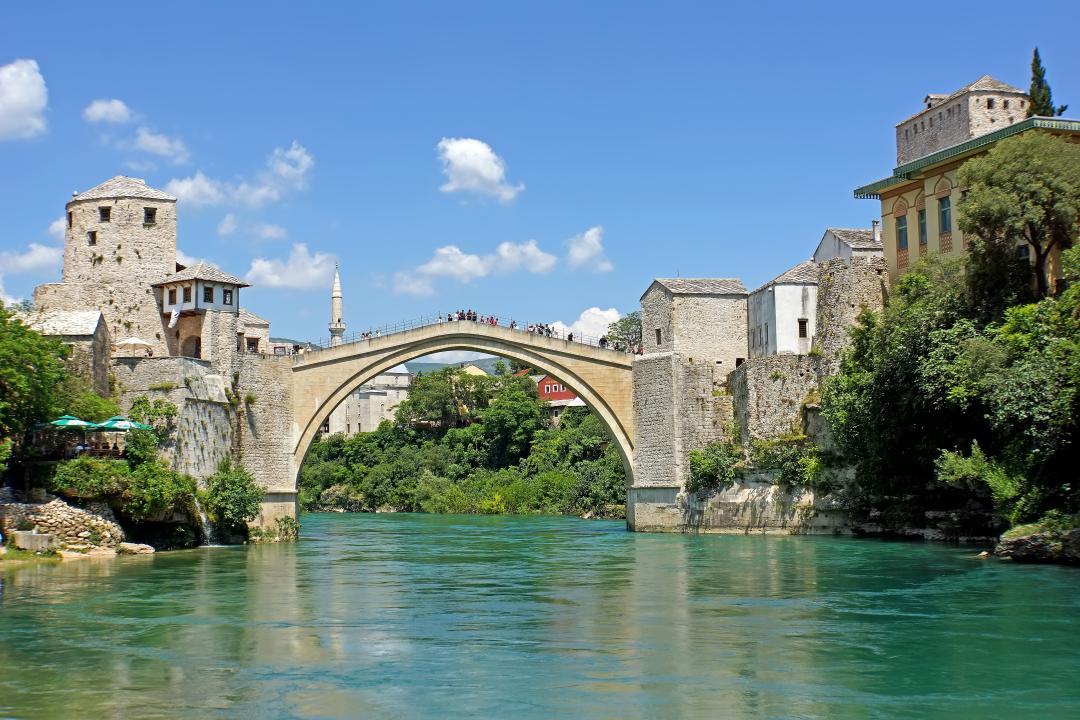
The Balkans contain charming multicultural towns, impressive monasteries and citadels dotting the hillsides, mighty mountains sprinkled with a liberal dose of beautiful forests and pleasant lakes, and last but not the least a great folk music tradition—coming off both as much joyful and melancholic as it could be—all survived various wars, if sometimes suffered a bit from the atrocities. With hundreds of kilometres of coastline on both the Adriatic and Black Seas, beachgoers won't be disappointed in this region, either. The Balkans have been the borderland of many great powers; the Roman Empire (surviving as the Byzantine Empire until the 15th century), the Ottoman Empire, the Austro-Hungarian Empire, and the influence sphere of the Soviet Union. From the end of World War I the Western Balkans were unified in Yugoslavia, until the country fell apart in the 1990s, with a series of wars between the new states. In the 2000s, the Balkan nations have either joined the European Union, or applied for membership.
-
Image by
Dennis Jarvis from Halifax, Canada, CC BY-SA 2.0, via Wikimedia Commons